
Northwest in Bloom
Cool air, cascading waterfalls and garden paths offer Texans a refreshing March escape
By Carrie Dunlea
By March, Texans know what’s coming. A few teasing cool fronts may still roll through, but warmer days are stacking up, and summer never feels far away. That’s exactly why the Pacific Northwest makes such an appealing spring getaway. While North Texas eases toward heat, Oregon and Washington are just beginning to wake up—waterfalls roaring with snowmelt, mountains still frosted in white and gardens quietly stepping into bloom.
For travelers accustomed to wide highways, big skies and early wildflowers, the Pacific Northwest offers a different kind of spring. It’s softer, moodier and intensely green. It invites long walks instead of hurried sightseeing and rewards visitors who don’t mind a little mist in the air.
Crater Lake National Park feels almost unreal to first-time visitors. Formed nearly 8,000 years ago after the eruption and collapse of Mount Mazama, the lake fills a vast volcanic caldera and is the deepest in the United States. Its remarkable blue color—rich, saturated and startlingly clear—comes from its depth and purity rather than sediment.
In March, much of the park remains snow-covered, transforming the landscape into a dramatic study in contrast: bright white drifts against black volcanic rock and dark evergreens. Access can be limited compared to peak summer months, but that quieter season is part of the magic. Snowshoeing along the rim, when conditions allow, gives visitors a sense of scale that’s difficult to grasp from photographs. The stillness is striking. No boat traffic. No heavy crowds. Just wind across the caldera and one of the most extraordinary natural settings in the country.
From there, many travelers base themselves in Portland, using the city as a gateway to waterfalls, gardens and
the coast.
Spring is prime time for Multnomah Falls and the greater Columbia River Gorge. Fed by melting snow from the Cascade Range, waterfalls surge this time of year, and Multnomah’s 620-foot, two-tiered cascade thunders down basalt cliffs in spectacular fashion. A short, paved walk leads to the historic Benson Bridge, where visitors can stand close enough to feel the cool mist on their faces.
For anyone used to intermittent creeks and drought-prone reservoirs, the abundance of moving water feels almost extravagant. Dozens of additional waterfalls line the gorge, many accessible via manageable hikes that wind through moss-covered forests. The air smells like cedar and rain. Ferns spill over stone retaining walls. Everything seems alive.
Back in the city, Portland’s devotion to green space is evident everywhere you look.
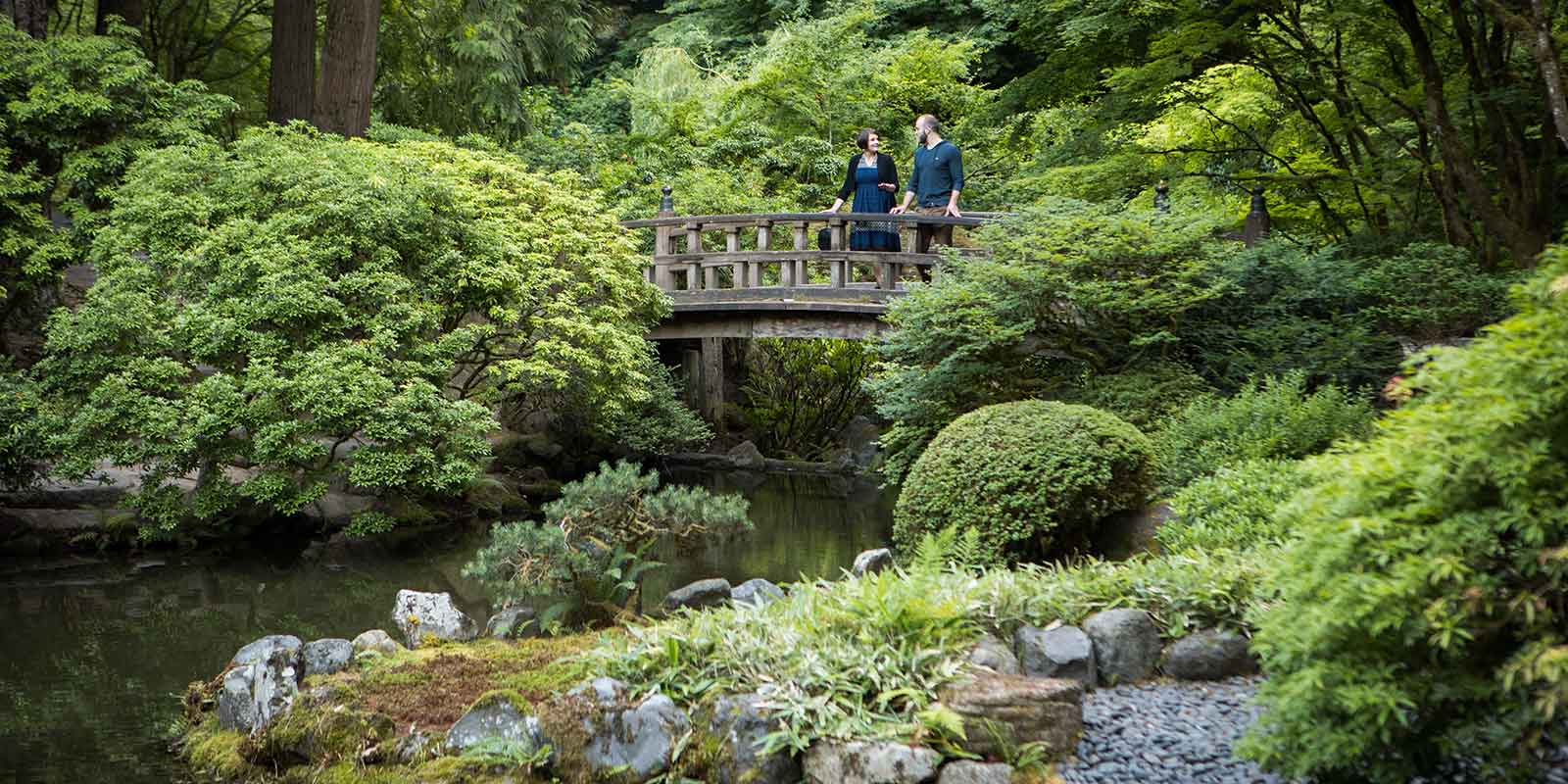
The Portland Japanese Garden, perched in Washington Park, offers a serene counterpoint to the region’s dramatic landscapes. Early spring brings plum blossoms, delicate emerging leaves and reflections shimmering across koi ponds. Pathways are thoughtfully designed to reveal views slowly, encouraging visitors to pause rather than rush. It’s a place where even light rain enhances the experience, deepening colors and sharpening scents.
Nearby, Hoyt Arboretum’s 12 miles of hiking trails showcase trees from around the world on the 190-acre property. Even in early March, buds begin to swell and magnolias hint at bloom. Interpretive markers turn a simple walk into a quiet lesson in ecology. For travelers who appreciate both beauty and context, it’s an easy addition to a Portland itinerary.
A few hours north, Seattle delivers its own blend of water, skyline and cultivated nature.
The Washington Park Arboretum stretches across hundreds of acres and showcases thousands of plant species. In March, early cherry blossoms, camellias and magnolias begin to bloom, offering subtle bursts of color against evergreen backdrops. Boardwalks through wetlands provide close-up views of birds and native plants, creating an experience that feels both urban and wild.
Within the arboretum, the Seattle Japanese Garden echoes Portland’s serenity on a smaller scale. Its winding paths, stone lanterns and reflective ponds make it an ideal stop for travelers looking to experience spring’s arrival in a quieter, more intentional way.
Seattle’s Waterfront Park, built on the footprint of the former Alaskan Way Viaduct, reconnects the city to Puget Sound with sweeping views, pedestrian bridges and generous gathering spaces that invite visitors to linger near the water. On clear days, snowcapped peaks rise in the distance, reinforcing the city’s dramatic setting. The revitalized waterfront stretches across 20 acres and links Pier 58, Pier 62, Pike Place Market, the Seattle Aquarium and elevated public walkways, all easily accessible by foot, transit or ferry.
No trip to the region feels complete without time on the coast. For Texans used to inland horizons, the Oregon shoreline can feel especially dramatic. At Cannon Beach, Haystack Rock rises from the sand like a natural monument, often framed by shifting clouds and rolling surf. March weather can be unpredictable—sunbreaks followed by mist—but that variability adds to the atmosphere. Long walks along wide beaches, jackets zipped against ocean breezes, offer a refreshing contrast to crowded summer shorelines back home.
The Pacific Northwest’s culinary scene feels especially welcoming in cooler months. Portland and Seattle emphasize local ingredients and relaxed dining—think fresh seafood, seasonal vegetables and bakeries that make lingering over coffee feel encouraged rather than rushed.
For visitors, the region’s coffee culture alone can feel like a revelation. Independent cafés serve as neighborhood gathering spots, perfect for warming up after a walk through misty streets or gardens. Wineries and breweries, particularly in Oregon’s Willamette Valley, offer cozy tasting rooms where visitors can sample pinot noirs and craft beers while watching rain fall over rolling hills.
Traveling to the Pacific Northwest in early spring does require flexibility. Temperatures typically range from the 40s to 60s, and rain showers are common. A waterproof jacket and good walking shoes go a long way. But in exchange for packing an extra layer, visitors gain access to iconic landscapes without peak-season crowds.
For North Texas travelers in particular, the timing makes sense. Nonstop flights from Dallas-Fort Worth make Portland and Seattle reachable in just a few hours. Within a single long weekend—or a leisurely week—you can stand at the rim of a volcanic lake, feel the spray of a waterfall, wander through blooming gardens and watch waves crash along a rugged coastline.
Spring in the Pacific Northwest isn’t flashy. It unfolds gradually, with waterfalls running strong, gardens beginning to bloom and snow lingering in the mountains. Here, atmosphere matters more than itinerary, and discovery takes the place of distraction. For anyone looking to reset before summer arrives, this corner of the country offers a cool, green and deeply memorable escape.