
Caribbean Trio
Three Dutch-Caribbean islands, each offering a distinct blend of relaxation, adventure & local flavor
By Carrie Dunlea
Travelers seeking Caribbean warmth with a European twist often discover that the ABC Islands—Aruba, Bonaire and Curaçao—offer far more than the postcard-perfect beaches that first lure them in. Sitting just off the coast of Venezuela, these three Dutch-influenced islands share steady trade winds, sunny skies and a location well outside the hurricane belt, yet each possesses a personality distinct enough to feel like its own micro-adventure. For visitors wanting a trip that combines relaxation, culture, and a little off-the-beaten-path exploration, an itinerary through the ABCs delivers a rare blend of ease and discovery.
Aruba is the most familiar of the three, a place many travelers picture when they imagine turquoise water and a carefree beach chair waiting at the edge of the surf. The island’s long stretch of white sand at Eagle Beach has consistently earned global recognition, and with good reason—its wide, calm shoreline and signature Divi-divi trees make it one of the Caribbean’s most photogenic spots. Resort areas like Palm Beach offer a full complement of restaurants and entertainment, and the island’s overall infrastructure makes it one of the easiest Caribbean destinations to navigate, especially for first-time visitors.
But Aruba rewards those who step away from the main strips. Much of its interior is rugged desert, a landscape dotted with cacti and wind-sculpted rock formations. Arikok National Park protects nearly 20 percent of the island and serves as a stark contrast to the polished resort areas. Travelers who venture in will find limestone cliffs, hidden bays, natural bridges and underground caves filled with ancient drawings. Off-roading tours remain a popular way to cover ground, though independent travelers can visit in a rental car with patience and good tires. For accommodations, the island ranges from all-inclusive beachfront resorts to boutique hotels in quieter pockets like Eagle Beach, making it easy to tailor a stay to a traveler’s pace. With its reliable sunshine and lower-than-average rainfall, Aruba is a safe bet nearly any month, though late fall and early winter usually offer pleasant temperatures with slightly fewer crowds.
Bonaire, just to the east, is a different experience entirely. The smallest and least developed of the trio, it has cultivated a reputation as one of the top diving and snorkeling destinations in the world.
Coral reefs surrounding the island are protected within Bonaire National Marine Park, allowing underwater life to flourish remarkably close to shore. The result is an island where travelers can slip on fins, wade out from nearly any marked yellow-stone site along the road, and be swimming over vibrant coral gardens within minutes. Even those who don’t dive can appreciate the clarity of the water, where schools of reef fish, sea turtles and rays appear in almost painterly scenes beneath the waves.
Above the surface, Bonaire maintains a quiet charm. Pink flamingos frequent the island’s salt flats, painting the shoreline in soft hues. Washington Slagbaai National Park offers hiking trails, secluded coves and restorative silence that many visitors seek as a break from busier islands. The pace here is unhurried, with the main town of Kralendijk offering relaxed waterfront dining, small shops and local food trucks that turn out excellent fresh fish. Lodging tends to skew toward smaller hotels, dive resorts and guesthouses, creating a friendly, community-style atmosphere rather than a resort-heavy environment. Because of its protected waters and trade winds, Bonaire is an ideal destination year-round, though spring and early summer often offer the calmest conditions for snorkeling.
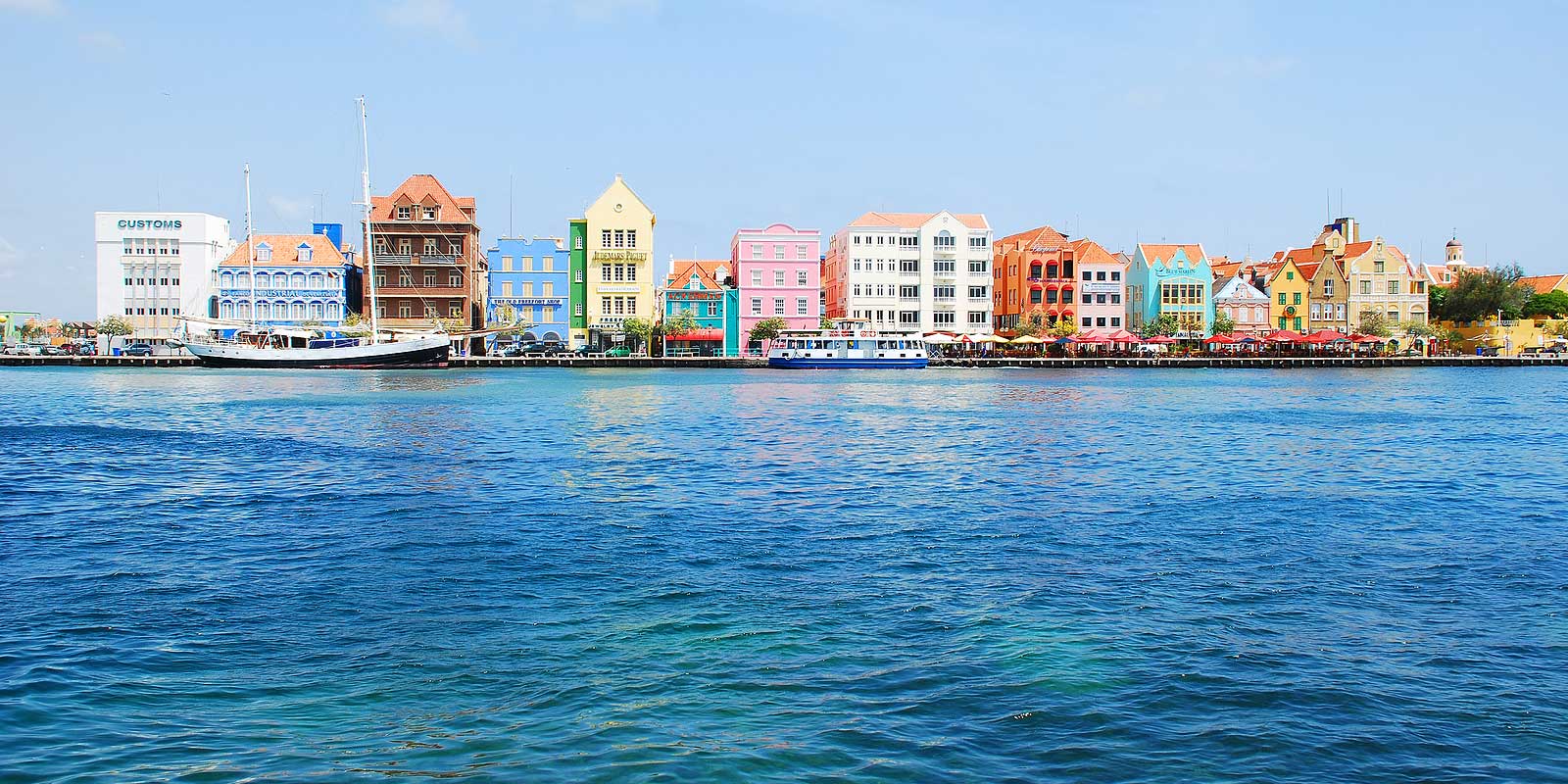
Curaçao rounds out the trio with a mix of beaches, culture and color that feels instantly distinct from its neighbors. Its capital, Willemstad, is a UNESCO World Heritage Site known for its Dutch gabled architecture painted in brilliant shades of blue, coral, yellow and green. The floating Queen Emma Bridge connects the Punda and Otrobanda districts, each filled with street art, museums, markets and waterfront cafés. For visitors who want more than sun and surf, Curaçao provides the richest blend of history and urban energy, with influences from Dutch, Afro-Caribbean, Latin American and Jewish communities shaping everything from cuisine to festivals.
Yet Curaçao’s beaches hold their own beautifully. Many of the island’s best stretches of sand are tucked into sheltered coves, particularly along the quieter western side. Playa Kenepa Grandi, with its sapphire water and dramatic cliffside setting, is one of the most photographed. Snorkelers often head to Playa Lagun or Tugboat Beach, where shallow reefs sit close to shore. Travelers can find a wide range of lodging, from large beachfront resorts and family-friendly options to smaller boutique hotels near Willemstad where nightlife, dining and cultural attractions are just steps away. While Curaçao sees consistent sunshine year-round, late spring and early fall typically offer comfortable weather paired with slightly lower hotel rates.
For travelers considering how to plan a visit, the islands can be enjoyed individually or as a multi-stop itinerary using regional flights between them. Those looking for a simple beach vacation with abundant amenities often begin in Aruba. Visitors who prioritize nature and underwater experiences gravitate toward Bonaire, while those seeking a blend of culture and coastline might choose Curaçao as their base. Together, the islands form a cohesive yet varied journey that feels accessible even to those who have never hopped between Caribbean destinations.
Dining across the ABCs reflects their shared Dutch heritage yet maintains island-specific flair. Aruba’s resort corridor offers a wide range of international options alongside local dishes like keshi yena, a baked cheese filled with spiced meat. Bonaire’s food scene is more casual, centered on seafood, food trucks and relaxed cafés where the day’s catch dictates the menu. Curaçao offers the most culinary diversity, from waterfront fine dining to lively local spots serving dishes like stoba (a Caribbean stew) and fresh red snapper fried whole. Travelers seeking a taste of local culture often enjoy visiting markets in Willemstad, where vendors offer traditional fare reflecting the island’s multicultural roots.
Getting around is relatively easy. Aruba and Curaçao have well-developed road networks and rental car availability, while Bonaire’s smaller footprint makes it simple to explore with a car or scooter. English is widely spoken across all three islands, though Dutch and Papiamentu, a creole language with Portuguese, Dutch, Spanish and African influences, are commonly heard as well. U.S. dollars are accepted in many places, and the islands’ blend of European and Caribbean influences gives them a comfortable and welcoming feel for American travelers.
Timing a visit is one of the simplest decisions. The ABCs lie south of the typical hurricane belt, making them dependable destinations even in late summer and early fall when much of the Caribbean faces storm risks. Winter brings slightly higher prices and more visitors but also some of the best weather. Spring and fall often strike the perfect balance of warm temperatures and moderate crowds, especially for those planning a multi-island trip.
In the end, the real appeal of the ABC Islands lies in their contrast. Aruba’s polished resorts and sun-drenched beaches offer instant relaxation. Bonaire’s quiet reefs and protected landscapes give travelers a deeper connection to nature. Curaçao’s cultural richness and colorful cityscapes invite exploration. Together, they form a trio that can satisfy nearly any traveler, whether the goal is a lazy week by the water, a diving adventure, an urban-cultural escape, or a combination of all three.
For readers planning next year’s warm-weather getaway, the ABCs offer a reliable, rewarding option—three islands, three distinct experiences, and endless ways to find sunshine at your own pace.