
Outdoor Living, Elevated
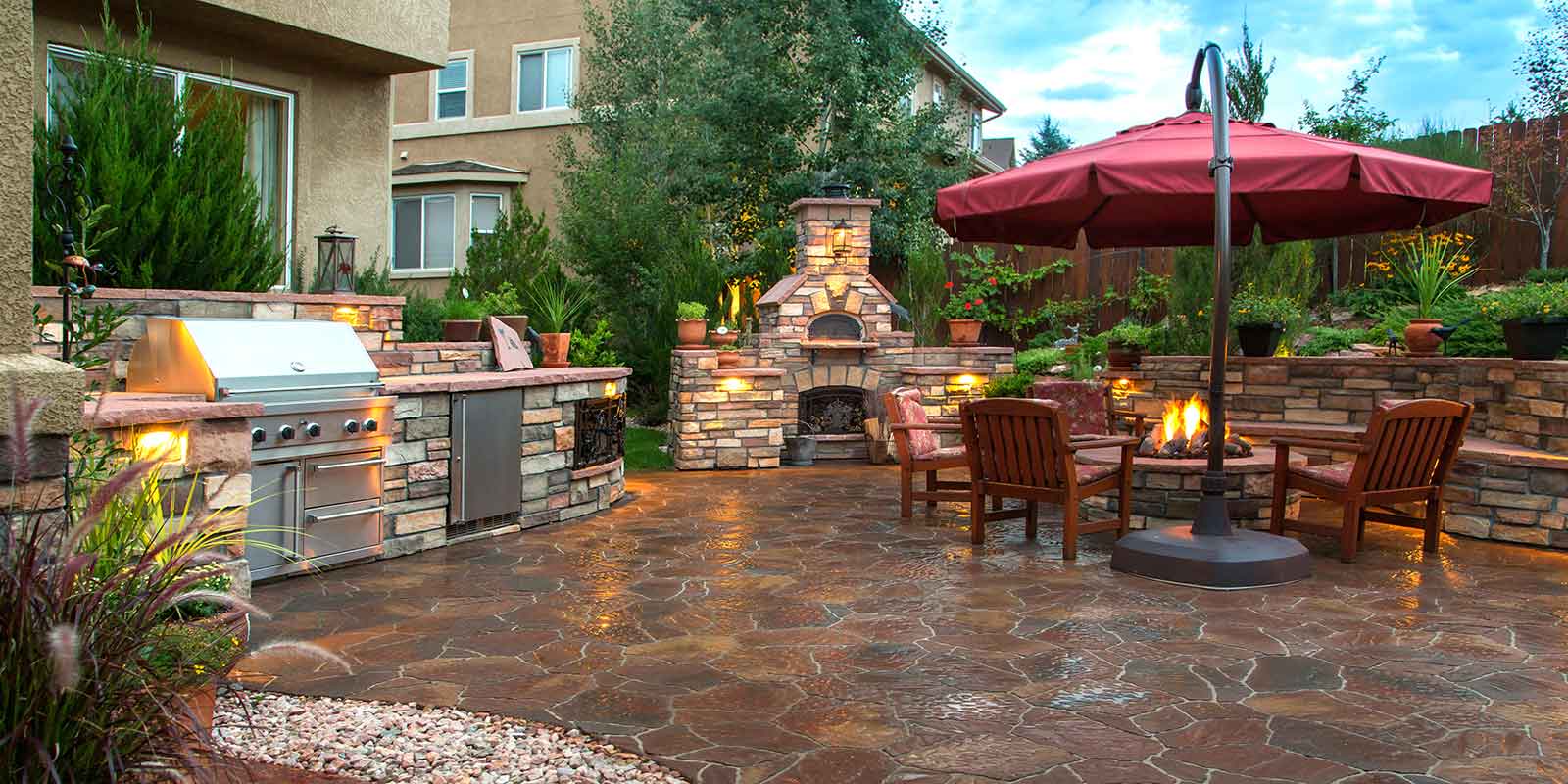
Designing spaces that feel like home — just beyond the back door
By Carrie Dunlea
Backyards are no longer secondary spaces. They are deliberate, livable environments shaped by comfort, design and purpose. From casual lounging to hosting friends, a well-planned outdoor area extends daily living beyond four walls while adding both beauty and function to the home.
The most successful outdoor spaces begin with purpose. Instead of viewing the backyard as one large open area, designers encourage homeowners to create “zones” — much like rooms inside a home.
A seating area for conversation. A dining space near the grill. Perhaps a separate nook with lounge chairs or a fire feature. Multifunctional spaces allow a backyard to transition seamlessly from weekday retreat to weekend entertainment hub.
Flexibility is key. Modular seating, movable accent tables and layered layouts allow homeowners to reconfigure a space depending on the occasion. A quiet evening for two looks very different from hosting a graduation party, and smart design accommodates both without feeling crowded or sparse.
Blurring the Lines
Gone are the days when outdoor spaces felt completely separate from the home’s interior. Today’s designs emphasize continuity.
Using complementary color palettes, repeating materials — such as stone, wood tones or metal finishes — and aligning sightlines from interior rooms to exterior features helps create cohesion. Large sliding or folding glass doors can visually connect living rooms to patios, making outdoor spaces feel like natural extensions of indoor gathering areas.
Even smaller updates make a difference. Coordinating outdoor cushions with interior accent colors or installing flooring materials that complement indoor finishes strengthens that indoor-outdoor relationship.
The result is a backyard that feels integrated rather than isolated.
Comfort is Key
Plastic lawn chairs have largely given way to deep seating, weather-resistant sectionals and upholstered dining chairs designed specifically for outdoor durability.
Performance fabrics now resist fading, moisture and mildew while offering the softness and aesthetic appeal once reserved for indoor furnishings. Thick cushions, layered throw pillows and textured rugs help define spaces and add warmth.
Comfort also extends to convenience. Built-in side tables, drink rails and integrated storage help maintain functionality without clutter. Homeowners increasingly treat outdoor furniture as an investment piece rather than seasonal décor.
Lighting sets the Mood
Thoughtful lighting can dramatically transform an outdoor living area.
Layered lighting works best. Overhead string lights or pendant fixtures provide ambient glow. Wall sconces or post lights enhance architectural features. Path lighting improves safety and navigation. Accent lighting can highlight landscaping, water features or structural elements.
Dimmers and smart systems allow homeowners to shift from bright task lighting during meal prep to softer tones for evening relaxation. Proper illumination not only extends the usability of the space past sunset but also elevates its overall design impact.
Shade and Shelter
In warm climates especially, protection from the sun is essential. Incorporating a structure — permanent or semi-permanent — can dramatically improve comfort and expand usable hours outdoors.
Here are several popular options:
A pergola features vertical posts supporting an open slatted roof. While it does not fully block rain, it filters sunlight and creates visual definition for a seating or dining area. Pergolas can be freestanding or attached to a home and may be enhanced with retractable canopies, drapery or climbing vines for added shade.
Gazebos are roofed, freestanding structures — often round, hexagonal or octagonal — that serve as focal points in a landscape. With solid roofing and partial enclosure options, gazebos provide substantial shade and a sense of enclosure, making them ideal for dining or relaxation.
Pavilions resemble gazebos but typically feature open sides and rectangular shapes. Often anchored to patios or decks, they provide generous covered space and can accommodate outdoor kitchens, fireplaces or large dining tables. Ceiling fans and integrated lighting enhance comfort and usability.
Screened in Porches – For homeowners seeking protection from both sun and insects, screened-in porches convert patios or decks into semi-enclosed rooms. With a roof overhead and vertical screens, these spaces allow fresh air while minimizing exposure to harsh elements.
Arbors and Decorative Accents – Arbors are smaller architectural features often used to define entry points into gardens or seating areas. With lattice sides and arched tops, they provide subtle shade and strong visual interest, helping guide movement through a landscape.
Climate Control – Beyond structural shade, homeowners are incorporating heating and cooling solutions to extend seasonal use. Ceiling fans beneath covered structures improve airflow. Outdoor-rated heaters make chilly evenings comfortable. Fire pits and outdoor fireplaces create natural gathering points while adding warmth and ambiance.
Misting systems and retractable shades are increasingly popular in hotter regions, allowing homeowners to fine-tune comfort levels without retreating indoors.
Outdoor Kitchens and Dining – For many families, food remains central to outdoor gatherings. Expanding beyond a simple grill station, today’s outdoor kitchens may include built-in grills, prep counters, sinks, refrigeration and even pizza ovens.
Positioning dining areas near cooking zones enhances flow, while durable countertops — such as stone or concrete — stand up to the elements. Thoughtful placement ensures smoke and heat do not disrupt seating areas.
Even modest upgrades — such as adding a serving bar or beverage station — elevate the experience.
Landscaping as Living Design – Softscape and hardscape elements tie everything together.
Layered plantings provide privacy and soften architectural lines. Raised beds, decorative planters and vertical gardens add texture. Strategic tree placement offers natural shade and long-term value.
Hardscape materials — pavers, natural stone, stamped concrete or composite decking — anchor the design and influence maintenance levels. Choosing materials that complement the home’s exterior reinforces visual unity.
Designing for Longevity – Outdoor living spaces represent both lifestyle investments and financial ones. Durable materials, quality construction and thoughtful layouts ensure the space remains functional and appealing for years.
Homeowners should consider drainage, electrical access and future flexibility during the planning stage. Even if a project unfolds in phases, starting with a master plan prevents costly revisions later.
A well-designed outdoor living area is more than a backyard upgrade. It is a daily invitation — to linger a little longer over coffee, to host one more gathering, to step outside and unwind.
When intentional design, comfort and shelter come together, outdoor spaces stop feeling seasonal and start feeling essential.