
Rooted in Fall
By Carrie Dunlea
When the first hint of cool air finally pushes aside the relentless North Texas summer heat, many gardeners breathe a sigh of relief. Fall in Collin County is not just a break from sweltering afternoons — it’s also one of the best times to plant. Cooler days and mild nights give vegetables, herbs and even perennials a chance to establish strong roots before next year’s growing season.
While spring often takes the spotlight in gardening, local experts point out that autumn offers unique advantages. Soil warmed by summer encourages root growth, pests are less aggressive, and plants face less stress from heat. The result? Tastier greens, heartier root crops and stronger ornamentals that will bounce back beautifully when spring arrives.
According to Texas A&M AgriLife Extension, Collin County gardeners (Zone 8a/8b) can plant well into late fall, even after the first light frost. Vegetables are typically grouped into two categories: short-term crops that mature quickly and long-term crops that can withstand colder weather. Timing is key. Many quick-growing plants — such as radishes, lettuce, spinach and green onions — can go
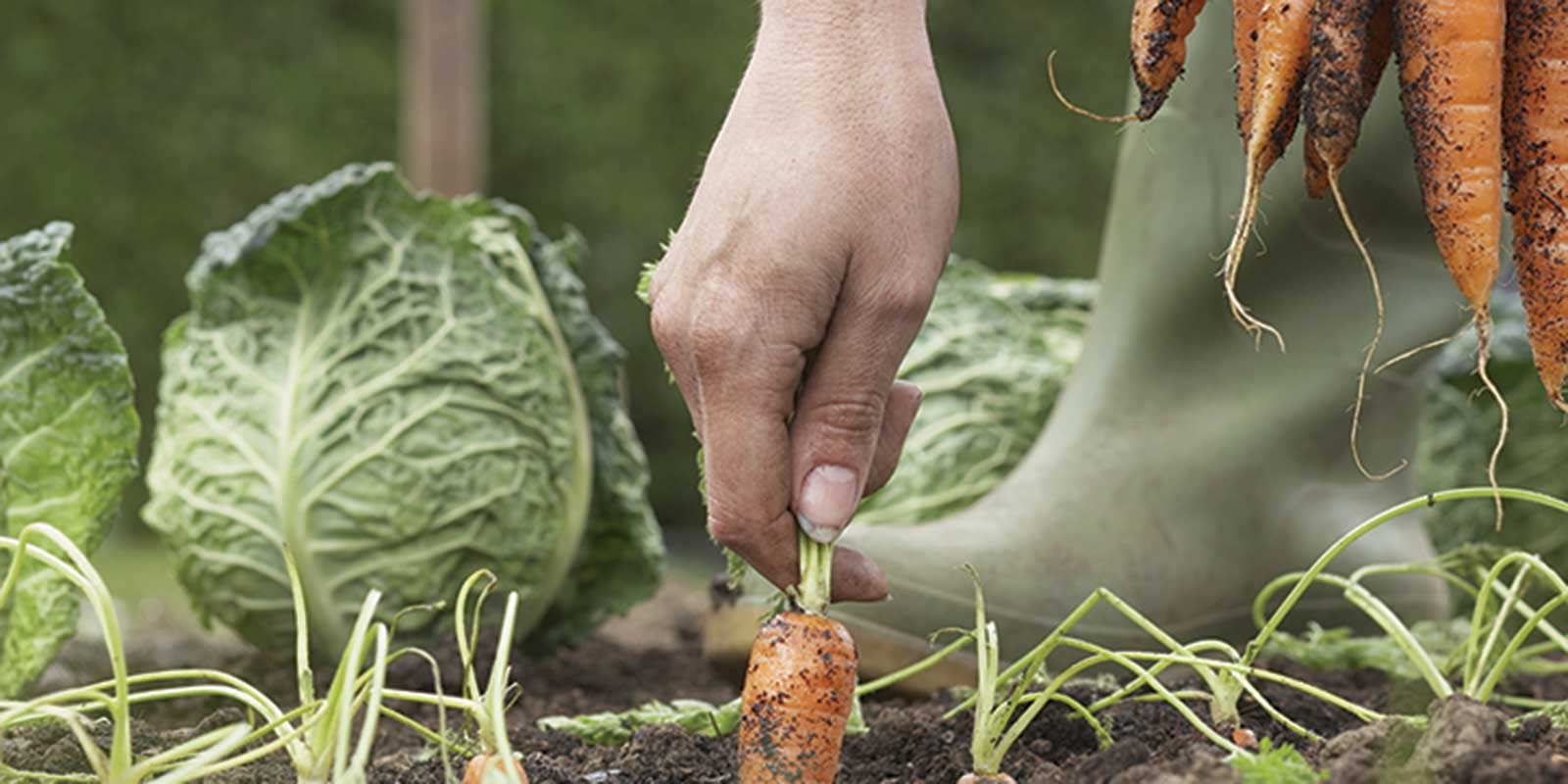
from seed to harvest in about six weeks, meaning they’re ready for the dinner table by mid-October. Root crops like carrots, turnips and beets also thrive in the fall garden, developing sweeter flavors once touched by a frost.
Other vegetables require a bit more lead time. Broccoli, cabbage and cauliflower benefit from being set out as transplants in September so they can establish before winter arrives. Garlic is best planted in October or November, where it will overwinter and be ready for harvest the following summer. For those who enjoy herbs, fall is also a prime time to start cilantro, parsley and dill, all of which prefer cooler weather.
Vegetables aren’t the only things that benefit from fall planting. Trees, shrubs and perennials thrive when added to the landscape in autumn. With less stress from heat, roots can spread deep into the soil before the harsh summer returns. Native and drought-tolerant choices like salvias, lantana and Texas sage perform especially well when planted in fall, while shade trees such as oaks and red maples appreciate the chance to settle in before spring growth. Even lawns can benefit — fall is a good time to overseed with ryegrass or address bare patches.
To give fall plantings their best chance, gardeners should start with healthy soil. Remove spent summer crops and weeds, then enrich the bed with compost or other organic matter. A layer of mulch helps conserve moisture and regulate soil temperature. Deep, less frequent watering encourages stronger roots compared to daily sprinkling. And while many fall crops are frost-tolerant, an unexpected hard freeze can damage young plants. A simple cover — row cloth, a cardboard box, or even an old bedsheet — can insulate tender crops on chilly nights.
Local experts stress that the most important factor is planting at the right time. Too early and crops suffer in lingering summer heat; too late and they may not mature before a hard freeze. Fortunately, Collin County gardeners can rely on the Texas A&M AgriLife Extension and the Collin County Master Gardeners Association for up-to-date resources, planting calendars and local workshops.
With just a little planning, fall gardening pays off in multiple ways. The season’s harvest can bring crisp carrots, tender greens and flavorful herbs to the dinner table, while shrubs and trees planted now will reward homeowners for years to come. And perhaps most importantly, fall gardening offers a chance to step outside and savor the milder Texas weather — a welcome reward after another long, hot summer.
Fall plantings for Texas
Asparagus, Beans, Beets, Broccoli, Cabbage, Carrots, Cauliflower, Chinese cabbage, Cucumbers, Eggplant – including oriental, Garlic, Greens- including Mustard, Kale, Lettuce, Melons, Okra, Onions, Pepper, Potatoes, Pumpkin, Radish, Southern Peas, Spinach, Squash, Sweet corn, Tomatillo, Tomatoes, Turnips and Watermelon