
Keep moving
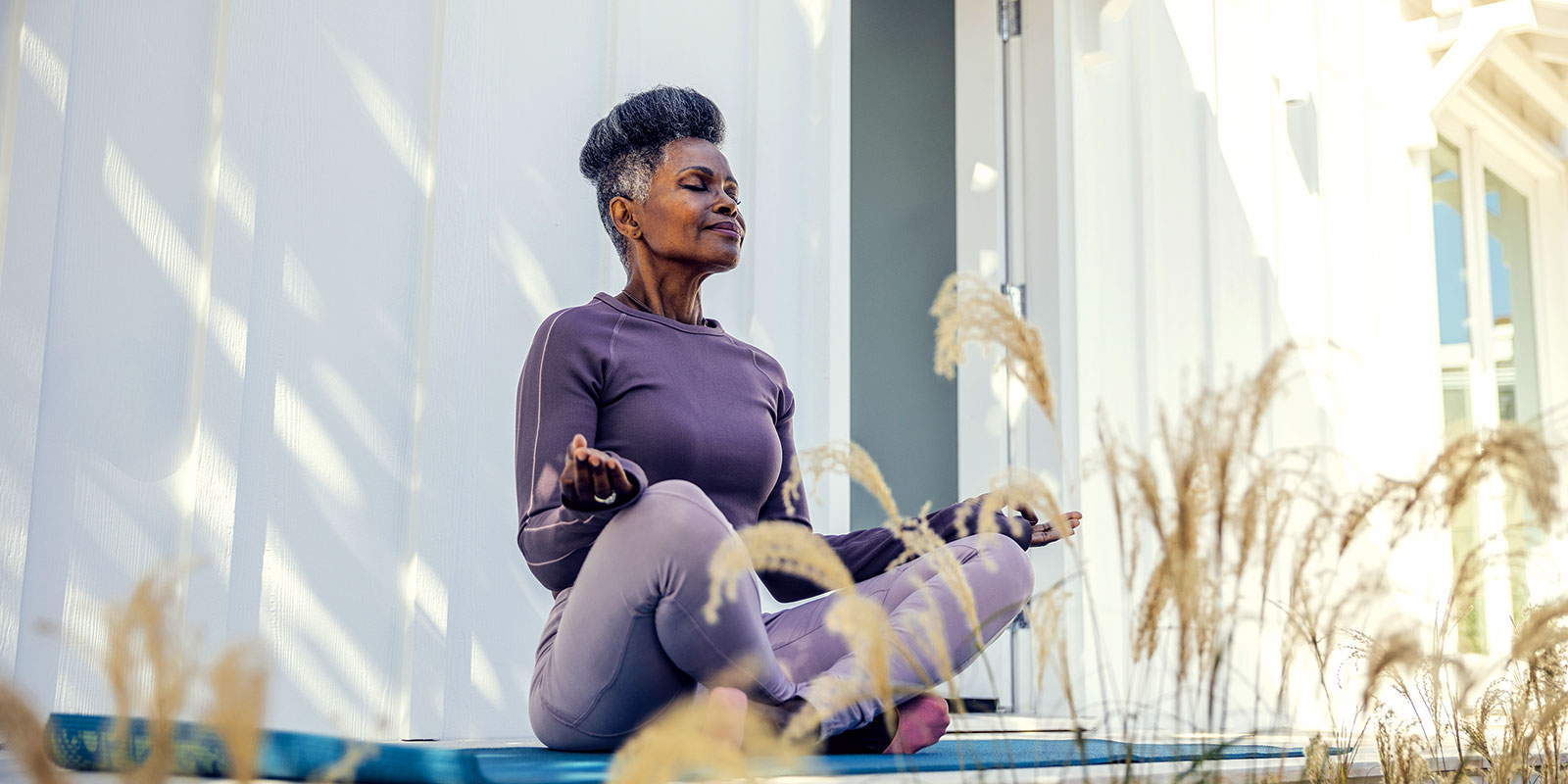
Limited mobility doesn’t have to mean giving up an active lifestyle
By Carrie Dunlea
Staying active doesn’t have to mean logging miles on a treadmill, joining a high-intensity exercise class or even spending much time on your feet. For older adults dealing with aches, stiffness or other mobility limitations, movement can take many forms.
The key is finding activities that match individual abilities and are enjoyable enough to become part of a regular routine. A walk through the park, a few laps in the pool or even time spent pedaling from a chair can provide opportunities to move without putting unnecessary stress on the body.
And there’s good reason to keep moving. Physical activity can support cardiovascular health, strength, endurance and overall well-being. For those who have become less active because getting around isn’t as easy as it once was, a few simple options can offer a place to begin.
Take a walk
Walking remains one of the simplest ways to add movement to the day, and it can easily be adapted to individual ability. There’s no need to cover long distances or maintain a brisk pace to get moving.
A local park or walking trail can be especially appealing, providing a change of scenery and a chance to enjoy the outdoors. Look for a route with benches or other places to stop and rest if aches, stiffness or fatigue become an issue. Start with a manageable distance and build from there as comfort and endurance allow.
Get in the water
For those who enjoy the pool, swimming offers exercise while placing less stress on muscles and joints than many land-based activities.
Swimming can promote heart and lung health while helping build muscle and
burn calories. And swimming laps isn’t the only option. Simply moving through the water can provide an opportunity to be active while enjoying the buoyancy and resistance the water provides.
Perhaps just as important, swimming can be fun — making it easier to look forward to exercise rather than viewing it as another task on the to-do list.
Pedal your way to fitness
Riding a traditional bicycle may no longer be practical for someone with balance or mobility concerns, but that doesn’t necessarily mean giving up the benefits of pedaling.
A stationary exercise bike offers a more stable alternative, while a portable pedal exerciser can allow someone to pedal while seated in a chair. Compact pedal exercisers also can be moved from room to room or even taken outdoors, providing flexibility for those who prefer exercising at home.
Stretch, strengthen and slow down
Gentle yoga and tai chi offer another approach to staying active. Beginner versions can involve slow, controlled movements and may help improve flexibility while also providing an opportunity to relax and reduce stress.
Classes designed specifically for older adults or beginners can be a good starting point. Some movements also can be adapted for people who need additional support or prefer to remain seated.
Whatever the activity, the goal doesn’t have to be a strenuous workout. Moving more — and finding a safe, enjoyable way to make movement part of the day — is a worthwhile place to start.
Older adults with limited mobility or health concerns should talk with their health care provider before beginning a new exercise routine and choose activities appropriate for their individual abilities.